


Most military history focuses on moments of crisis. Battles. Orders. Dates when everything changed.
But Fort Brady, Michigan, spent most of its life doing something quieter.
It waited.
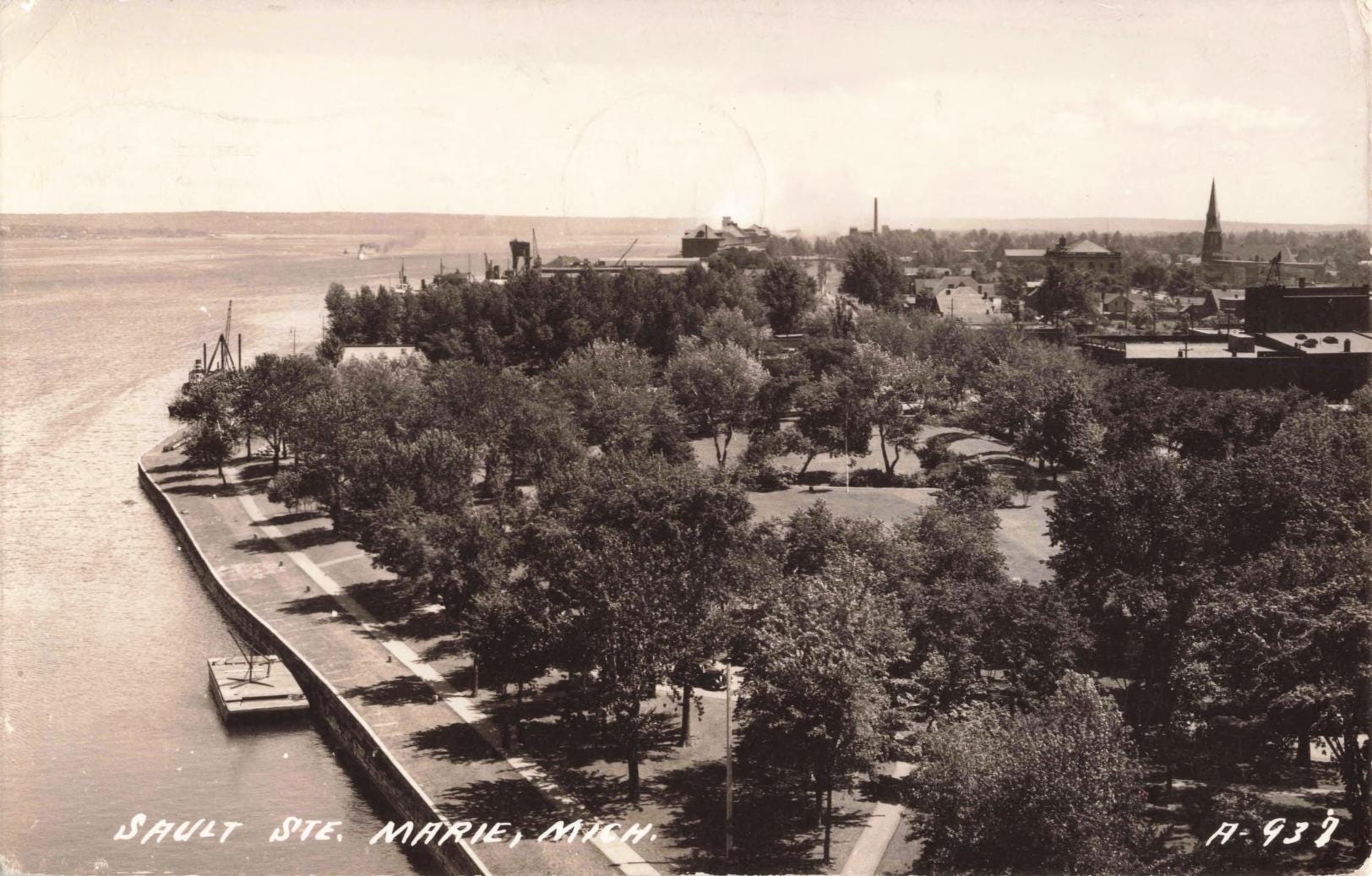
From about 1900 until the early 1940s, Fort Brady sat on the hill above Sault Ste. Marie, watching the Soo Locks and Lake Superior below. There were no battles here. No invasions. No emergency headlines. What defined Fort Brady instead were the long stretches when nothing urgent happened at all.
Those years between wars shaped the fort as much as any conflict ever could.
On a typical morning, the day began with a bugle call cutting through the cold air. Soldiers stepped out of brick barracks built at the turn of the century. Boots hit packed dirt or snow, depending on the season. Rifles were inspected. Lines were straightened. Orders were short and familiar.


