

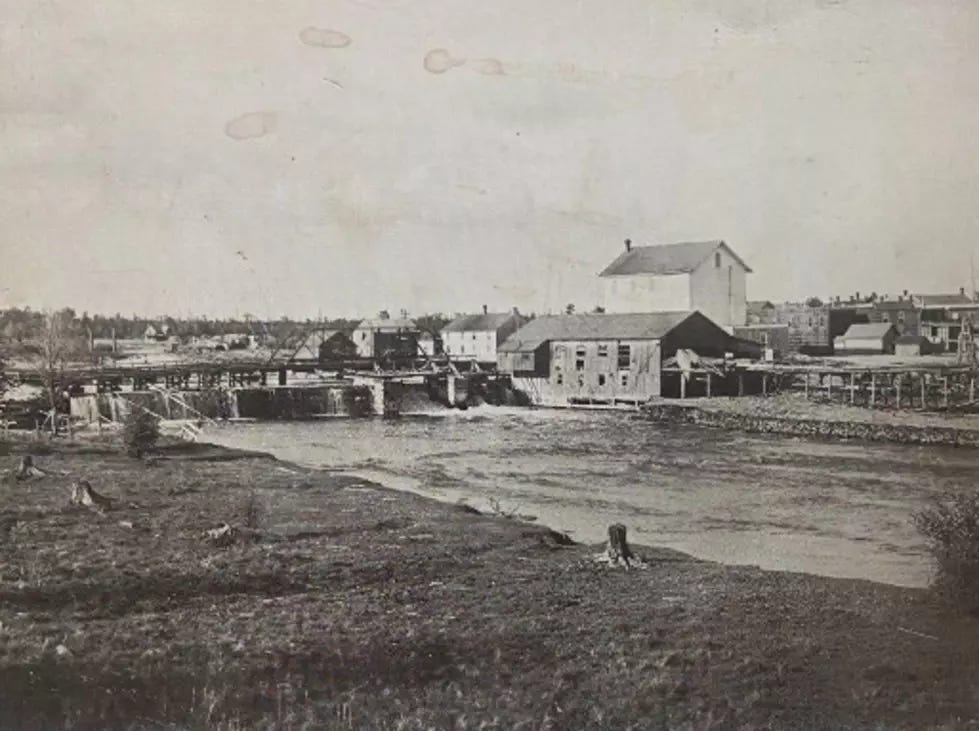
A Town Built on Water and Wood
The town of Omer has never been large, but its past carries the weight of much bigger places.
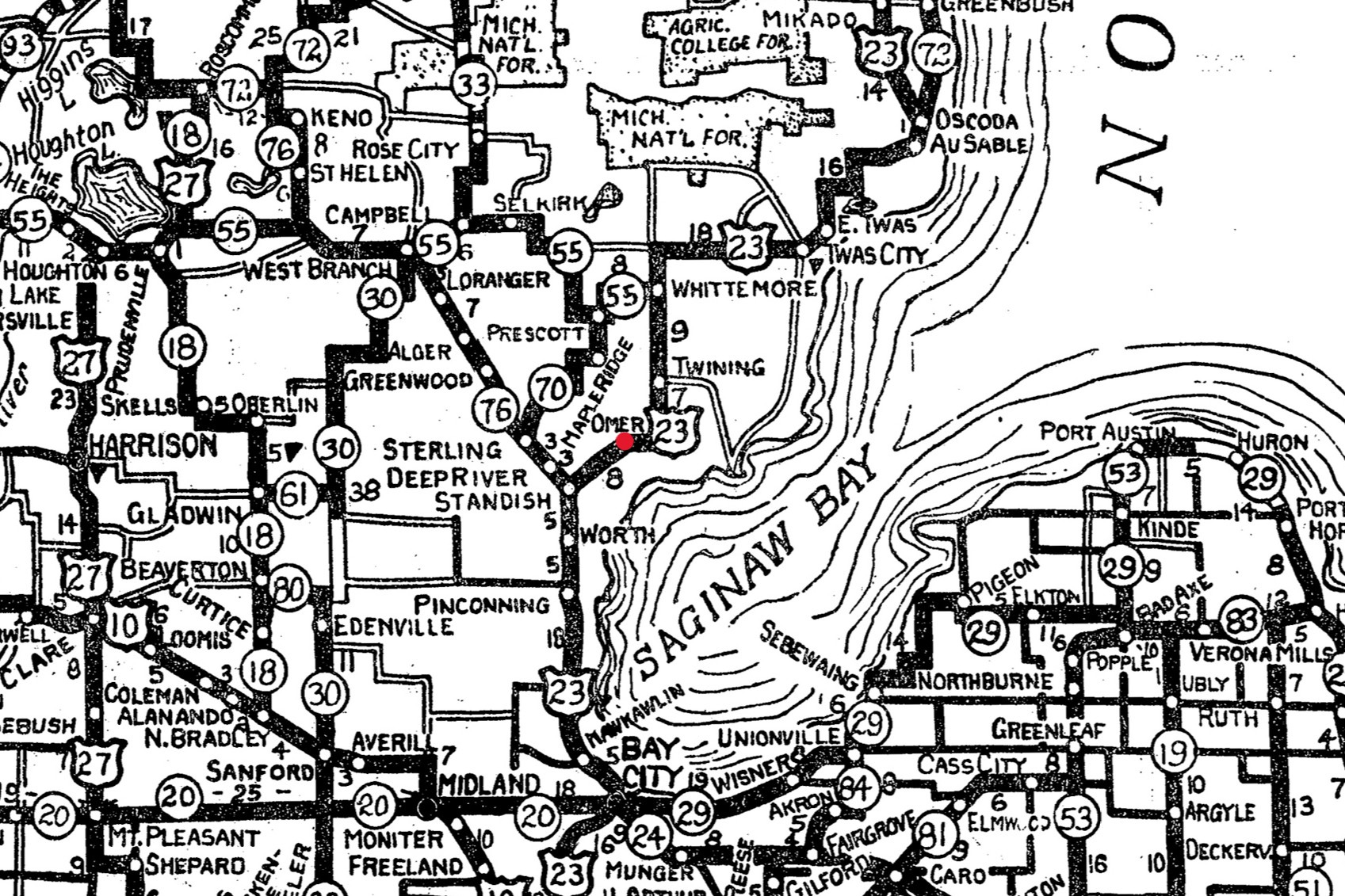
Founded in 1866 along the Rifle River, Omer began as a lumber settlement. The river powered sawmills and carried logs south toward Bay City. When the railroad arrived in the late 1800s, the town grew quickly. Stores, hotels, and banks lined Main Street. For a brief period, Omer even served as the first county seat of Arenac County.
Early photographs show a town that was expected to last.
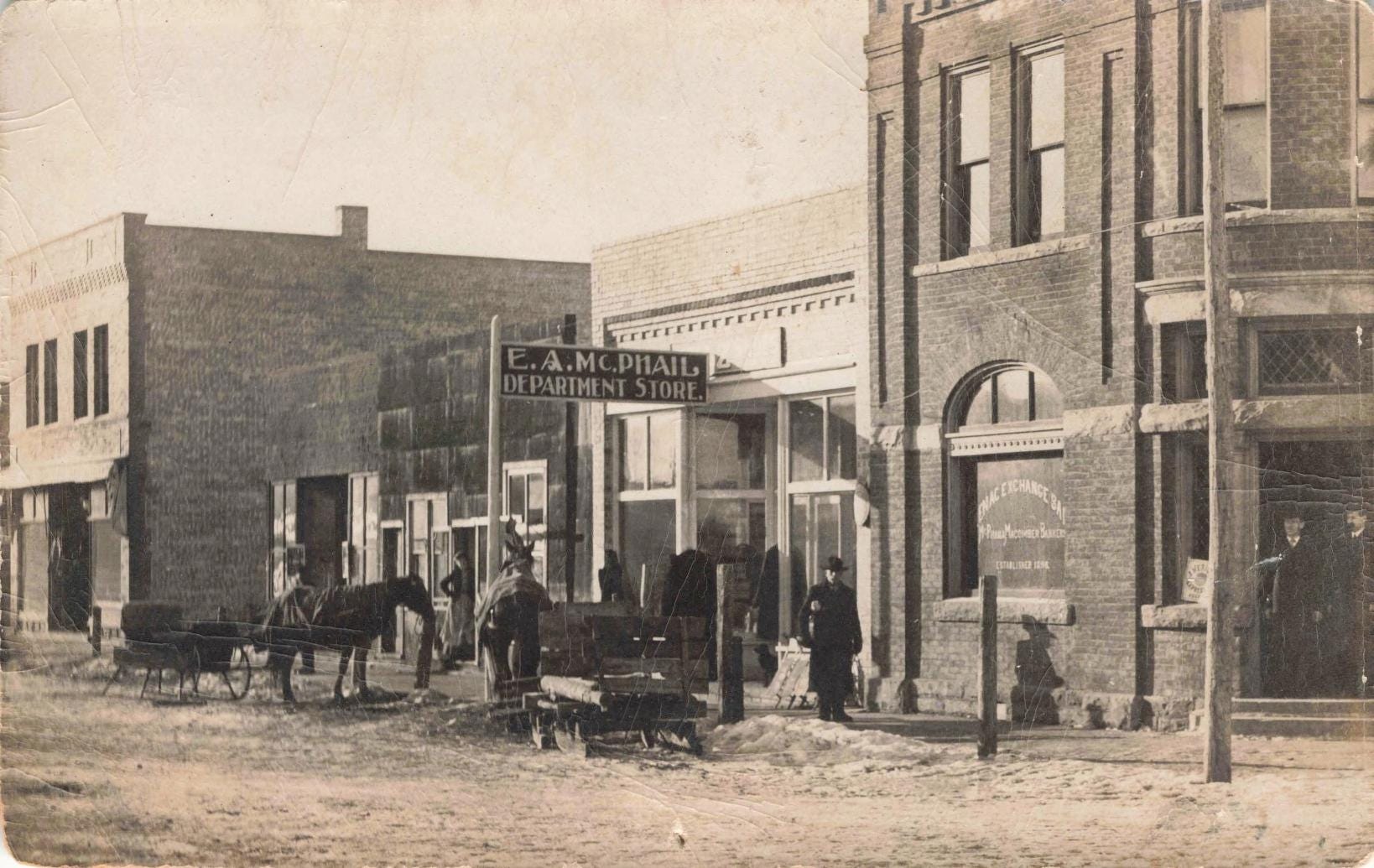
Dirt streets ran between tightly packed wooden storefronts. A lunch counter advertised hot meals. The Arenac Exchange Bank stood solidly on the corner, one of the few brick buildings in town. Nearby, a courthouse rose in 1890, signaling confidence in Omer’s future.
Video - Michigan’s Smallest City Has the Messiest History 🤯🏘️
This short video and post look back at Omer, Michigan—a lumber town shaped by fire, floods, and the slow work of staying put. Using historic photographs, it traces how Michigan’s smallest city lost nearly everything and kept going anyway.
