

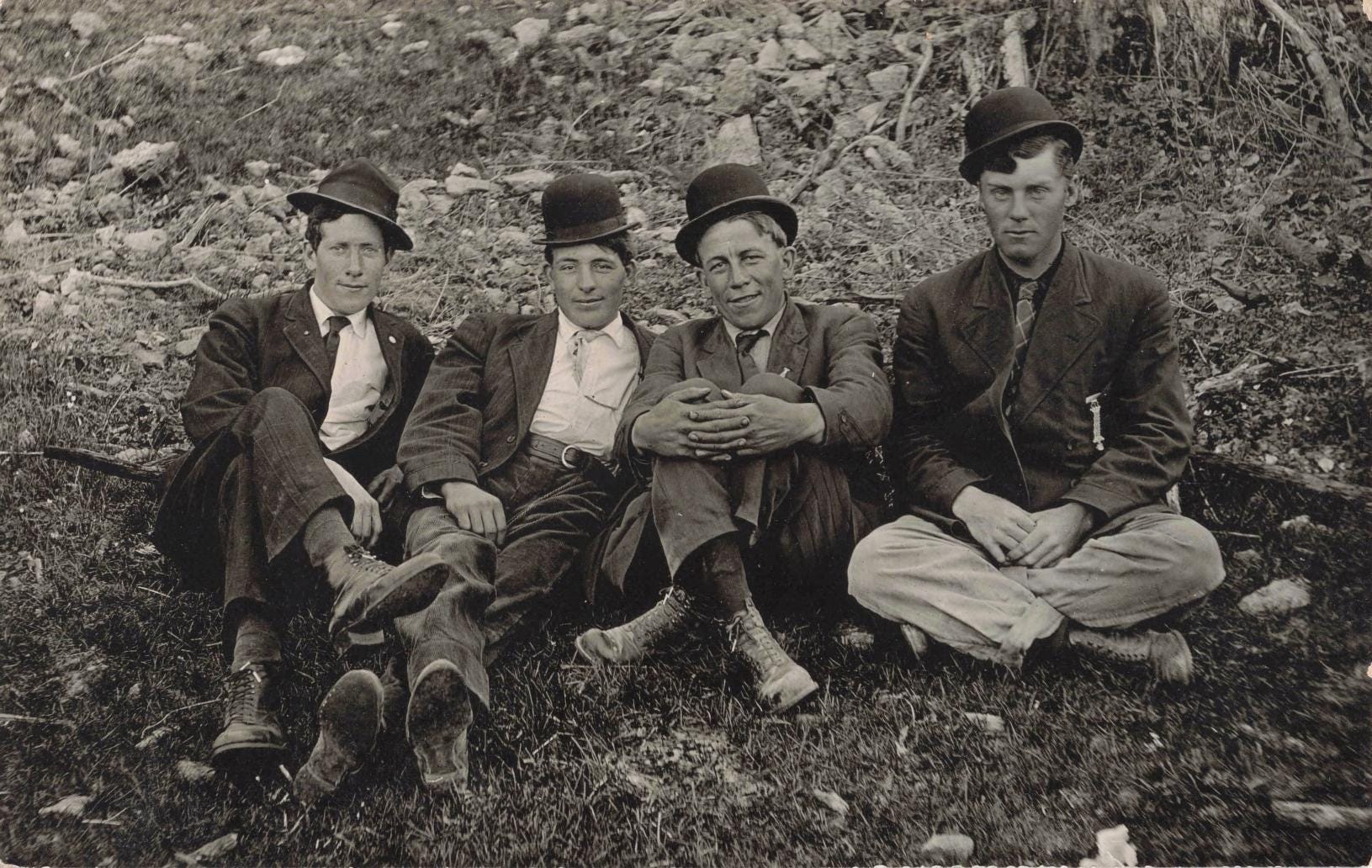
Michigan’s small towns offer a living record of America’s industrial rise, immigrant journeys, and the hard lessons of boom and bust cycles. While Detroit's automotive might often dominates the state's historical spotlight, it’s in the quiet main streets, faded post offices, and local diners where much of Michigan’s authentic history still resides. Each small town holds stories shaped by lumber, shipping, mining, farming, and grit.
The Lumber Camps and Company Towns
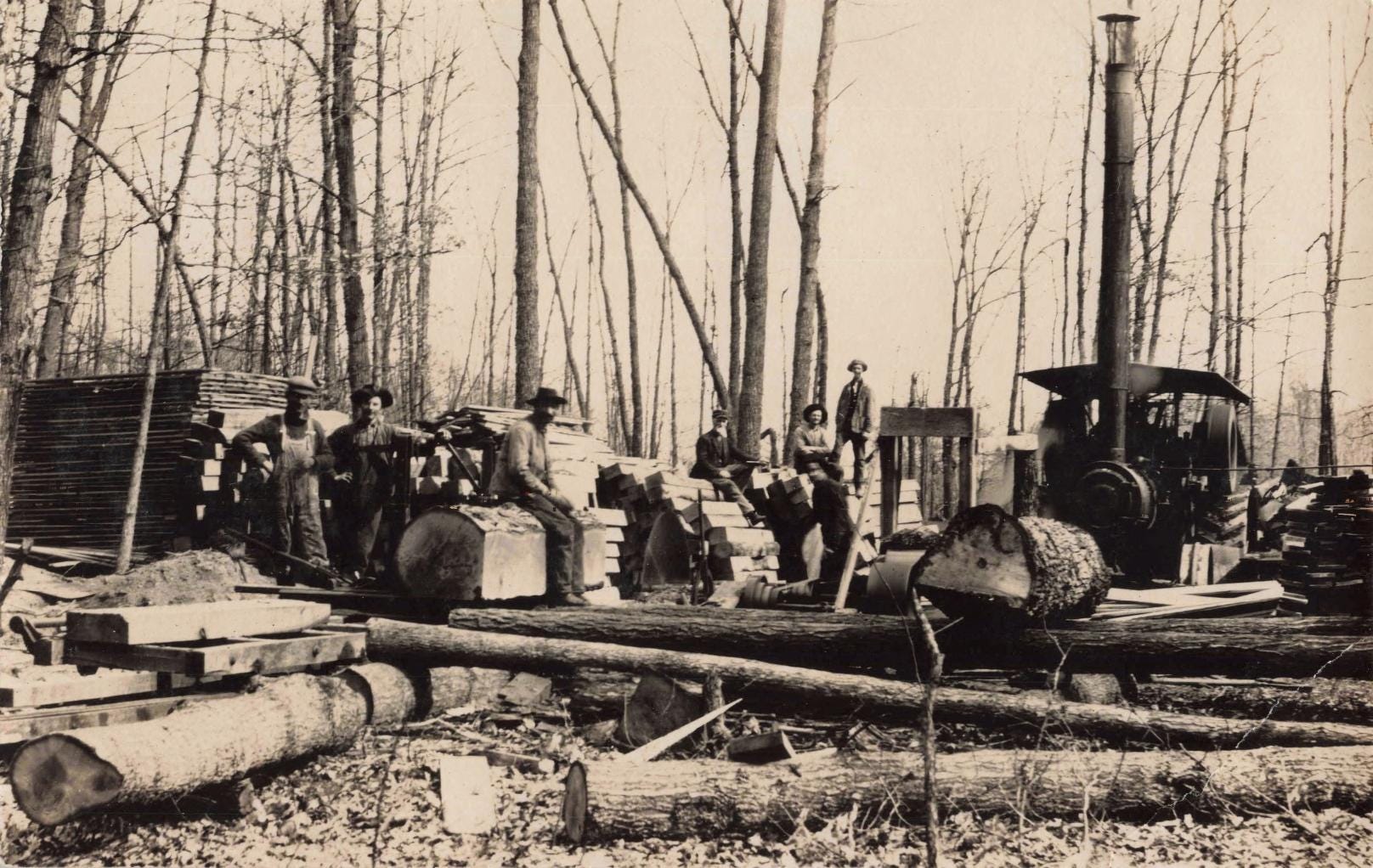
In the late 19th century, Michigan's northern forests drew loggers and entrepreneurs. Towns like Grayling, Manistee, and Alpena grew around the timber industry. These places weren’t built with permanence in mind. Entire communities existed to fuel sawmills and feed rail cars. For a time, they were booming centers with banks, saloons, and schools. But when the forests were cut bare, many of these towns dwindled or disappeared.
Yet a few adapted. Grayling shifted toward tourism and outdoor recreation. Manistee found new life in manufacturing and tourism. Their preserved buildings and downtowns reflect the era when white pine was king, and Michigan supplied much of America’s lumber.
The Mining Towns of the Upper Peninsula
Michigan's small town history would be incomplete without the mining camps of the Upper Peninsula. Copper mining in places like Calumet, Houghton, and Copper Harbor fueled industrial expansion in the late 1800s. Immigrants from Finland, Cornwall, and Italy flooded into the Keweenaw Peninsula in search of work.
Calumet, at its peak, was one of the most prosperous towns in Michigan. The Calumet & Hecla Mining Company ran nearly everything—housing, schools, even the stores. The 1913 copper strike and the Italian Hall Disaster marked a turning point, exposing tensions between labor and management that would shape labor rights nationwide.
Today, many of these former mining towns have stabilized into tight-knit communities proud of their complex past. Tourists now visit these sites, walking through historic downtowns and well-preserved mining ruins.
Agriculture: Building Communities in Michigan’s Heartland
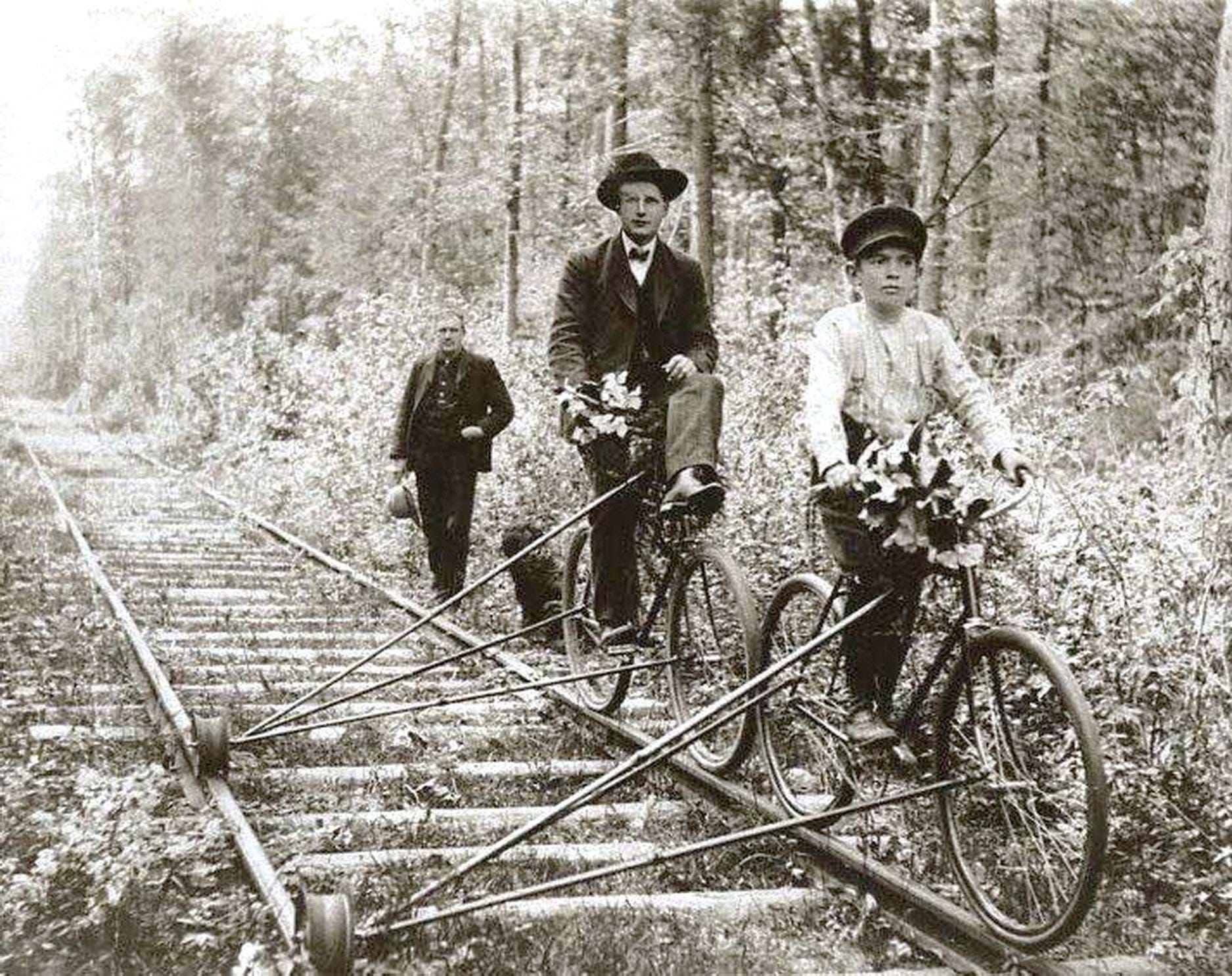
While industry drove many towns, agriculture quietly shaped much of Michigan’s lower peninsula. Places like Bad Axe, Caro, and Clare grew around farming, sugar beet processing, and local markets. Here, family farms and cooperatives kept communities stable through economic shifts.
Michigan’s Thumb region tells this story well. Settlements like Port Austin and Caseville grew around both agriculture and access to Lake Huron’s shipping routes. Even today, seasonal farm stands, community fairs, and local cheese and dairy producers reflect the enduring role of agriculture.
The Michigan Moments project documents many of these small-town stories, preserving images and narratives that often don’t make it into mainstream histories. These vignettes give viewers a sense of the quiet but powerful role small towns continue to play in Michigan’s cultural identity.
The Role of Railroads
Railroads stitched together much of Michigan’s interior, giving rise to towns that owed their very existence to train depots and rail sidings. Towns like Durand, Owosso, and Standish became important junctions. Rail service allowed agricultural products, timber, and manufactured goods to reach markets far beyond Michigan.
Durand’s Union Station still stands today as a monument to this period. At its peak, over 40 passenger trains passed through daily, carrying workers, tourists, and freight across the state.
Tourism and Resort Towns
Michigan’s small town history isn’t just about work—it’s also about escape. Towns along the shores of Lake Michigan and Lake Huron grew into vacation destinations starting in the late 19th century. Charlevoix, Petoskey, and Saugatuck attracted visitors with cool summer breezes and scenic beauty.
Many of these resort towns developed alongside wealthy visitors who built grand summer homes, but they also provided jobs for local residents and attracted seasonal businesses. Today, they continue to draw visitors, while preserving historic inns, lighthouses, and marinas that date back over a century.
The Ongoing Struggles of Rural Towns
Not all stories are romantic. The decline of manufacturing and the collapse of industries like logging and mining left many small Michigan towns struggling. Places that once flourished saw shrinking populations, aging infrastructure, and limited job opportunities.
Efforts at revitalization vary. Some towns have leveraged historical preservation to draw tourists. Others have sought to attract remote workers, small manufacturers, or niche agricultural ventures. Still, the struggle remains real for many rural communities fighting to retain their schools, hospitals, and local businesses.
The Importance of Preserving Small Town Stories
Projects like Michigan Moments help ensure that these stories aren't lost. Historic photo collections, oral histories, and digital archives give new life to forgotten communities. They help us understand how Michigan’s economy, culture, and identity were shaped far beyond Detroit and Grand Rapids.
Whether it's the former boomtowns of the U.P., Thumb-region farming communities, or Lake Michigan resort towns, Michigan’s small towns are an essential part of the state’s larger story. They offer lessons in endurance, adaptation, and the deep roots of community identity.
As technology and urbanization continue to reshape Michigan, the quiet legacy of these towns remains visible in their historic buildings, small museums, and dedicated local historians. Each one contributes a unique chapter to the larger Michigan narrative.