

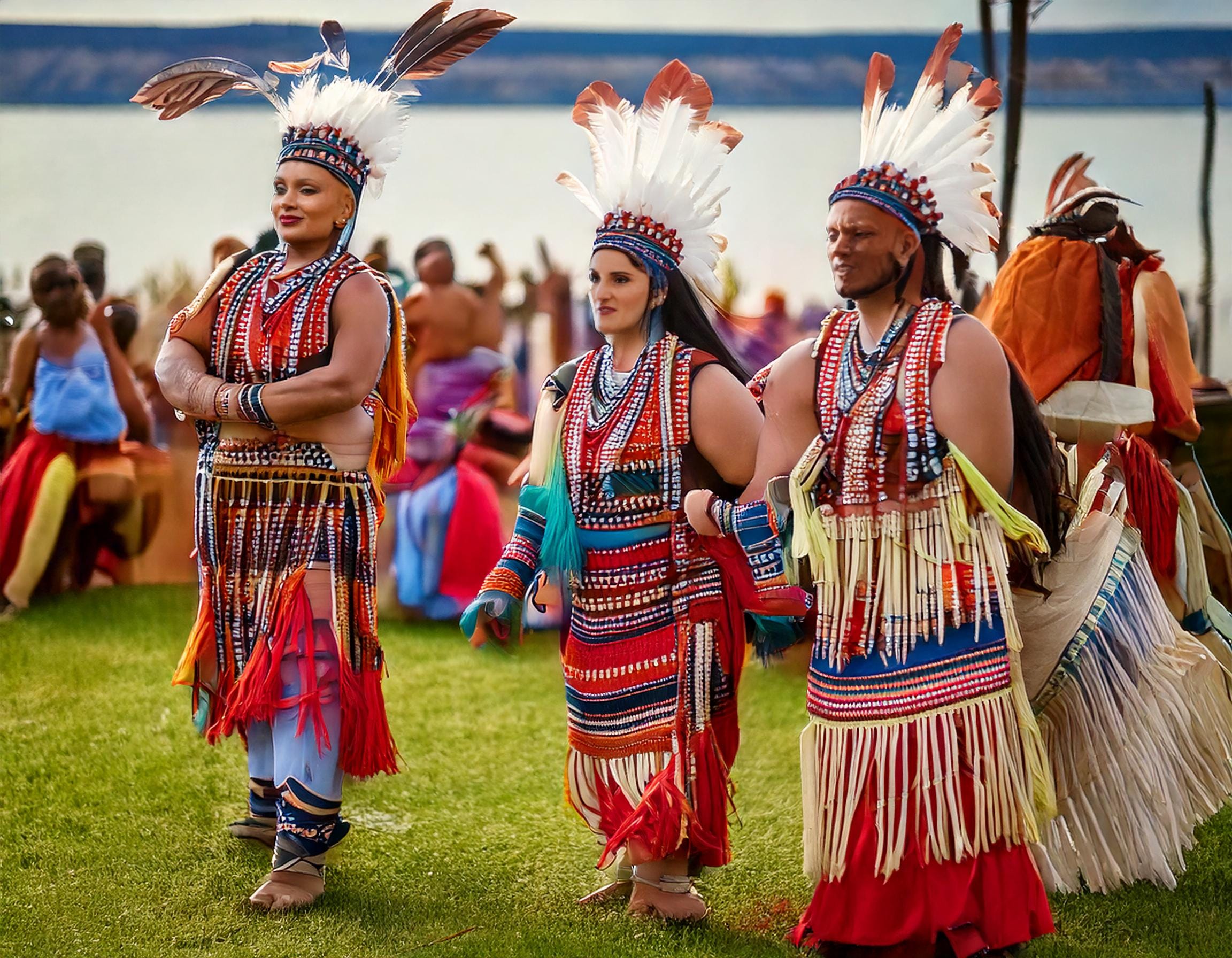
American Indian peoples have played a fundamental role in shaping Michigan and the Upper Great Lakes region. Their influence is visible in place names, traditions, industries, and environmental stewardship. Here are five key ways they have shaped the culture of the region:
Place Names and Language
Many cities, rivers, and landmarks in Michigan bear names derived from the Anishinaabe (Ojibwe, Odawa, and Potawatomi) languages. Examples include Michigan (from the Ojibwe word Mishigamaa, meaning "great water"), Saginaw (believed to mean "land of the Sauk"), and Keweenaw (Ojibwe for "portage"). These names reflect Indigenous connections to the land and continue to shape regional identity.
Place Names and Landmarks
Cities and Towns: Many Michigan cities, rivers, and counties retain Native names, such as Kalamazoo, Pontiac, Mackinac, Saginaw, and Ontonagon.
Roads and Bridges: Infrastructure like the Zilwaukee Bridge and Mackinac Bridge carry names with Indigenous origins.
Parks and Natural Areas: Sleeping Bear Dunes National Lakeshore is named after an Anishinaabe legend, and Isle Royale National Park has a long history tied to Ojibwe copper mining.
Fur Trade and Economic Foundations
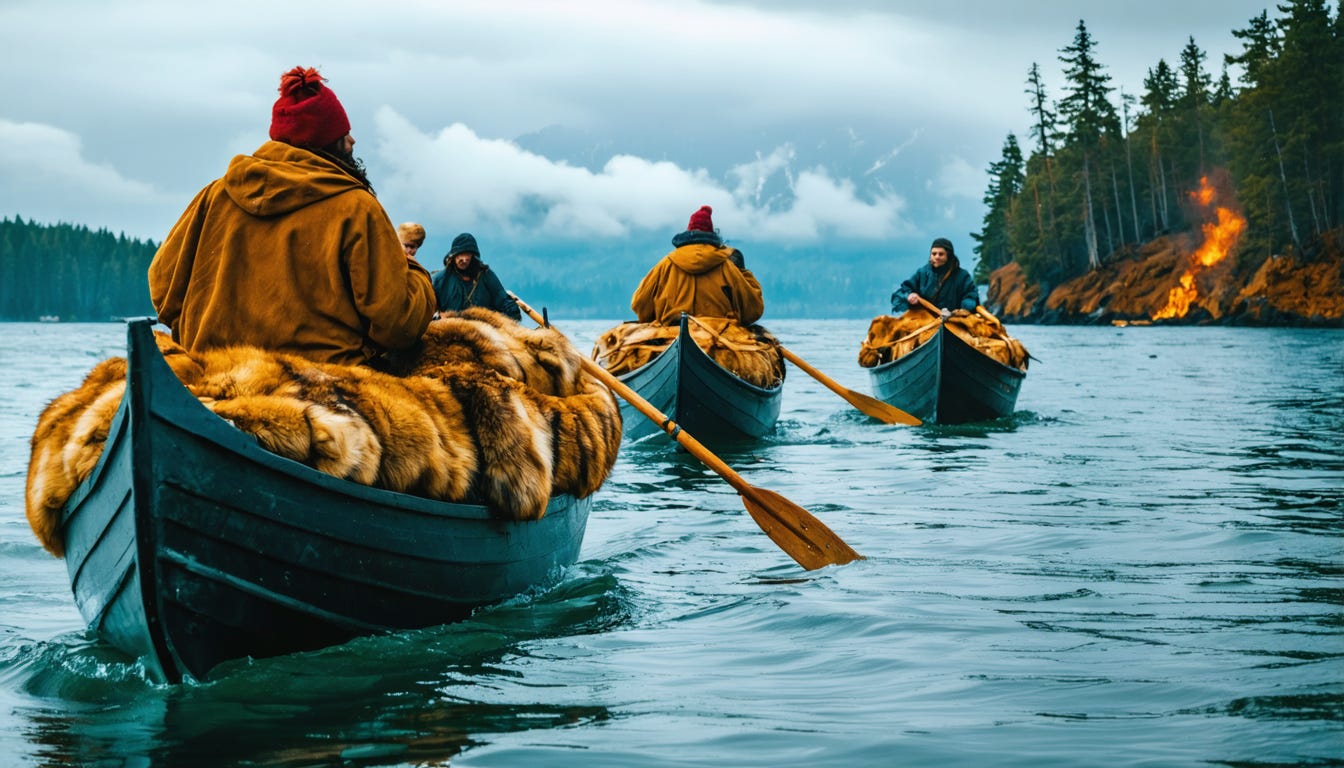
The fur trade thrived in the 17th and 18th centuries, relying on American Indian knowledge of trapping, navigation, and trade networks. Native nations, particularly the Ojibwe, Odawa, and Potawatomi, played central roles in this economy, trading furs with French and later British settlers. This industry laid the foundation for Michigan's early economy and its integration into global commerce.
Agricultural and Culinary Influence
Indigenous agricultural practices introduced corn, beans, and squash (the "Three Sisters") to the region, along with wild rice (manoomin), which remains an important food and cultural staple today. Many traditional foods, such as maple syrup and smoked fish, were first cultivated and prepared by Native peoples and remain significant in Michigan’s food culture.
Wild Rice (Manoomin) and Traditional Foods
Wild Rice Harvesting: Many tribal communities, especially in northern Michigan and the Upper Peninsula, continue to harvest and protect wild rice (manoomin), which is also growing in popularity among non-Native Michiganders.
Maple Syrup Production: Indigenous peoples were the first to tap maple trees in the region. Today, Michigan remains a leading producer of maple syrup, with many farms and festivals celebrating the tradition.
Whitefish and Smoked Fish: Popular in the Upper Peninsula and along the Great Lakes, smoked fish (particularly whitefish and trout) has deep roots in Native fishing traditions.
Environmental Stewardship and Land Management
Native communities practiced sustainable hunting, fishing, and forestry long before European settlers arrived. Many conservation efforts today, such as restoring wild rice beds in the Great Lakes and protecting fisheries, are based on traditional ecological knowledge passed down by tribes. Indigenous groups continue to advocate for environmental protection and treaty rights, influencing modern policies.
Conservation and Environmental Activism
Great Lakes Fisheries Management: Tribal nations, particularly the Grand Traverse Band of Ottawa and Chippewa Indians and others, work with state and federal agencies to protect and manage Great Lakes fish populations.
Water Rights Advocacy: The "Water Protectors" movement, led by Indigenous groups, has phelped protectMichigan’s water resources, including efforts to shut down Line 5, an oil pipeline in the Straits of Mackinac.
Sustainable Land Use: Native practices of sustainable forestry, controlled burns, and land stewardship have influenced modern conservation strategies.
Spiritual and Cultural Traditions
Native American traditions, including storytelling, music, and craftsmanship, have shaped Michigan’s cultural landscape. Practices such as the powwow, which brings together dance, drumming, and community, remain vibrant. The Midewiwin (Grand Medicine Society) of the Anishinaabe, along with oral histories and legends, continues to preserve Indigenous heritage and influence regional folklore.
The Gaming Industry and Tribal Casinos
Tribal Casinos: Many Native nations operate successful casinos, such as Soaring Eagle Casino (Saginaw Chippewa Tribe), Bay Mills Resort & Casino (Bay Mills Indian Community), and Odawa Casino (Little Traverse Bay Bands of Odawa Indians). These businesses contribute significantly to Michigan’s economy and tribal self-sufficiency.
Powwows and Cultural Celebrations
Annual Powwows: Many Michigan communities hold powwows featuring traditional Native dancing, drumming, and food. Some of the largest include:
Saginaw Chippewa Powwow (Mount Pleasant)
Keweenaw Bay Indian Community Powwow
Lac Vieux Desert Powwow
Native American Heritage Month (November): Schools, museums, and organizations across Michigan recognize and celebrate Indigenous history.
Michigan’s culture has been deeply shaped by its Indigenous peoples, and their contributions continue to be recognized and celebrated across the state.